
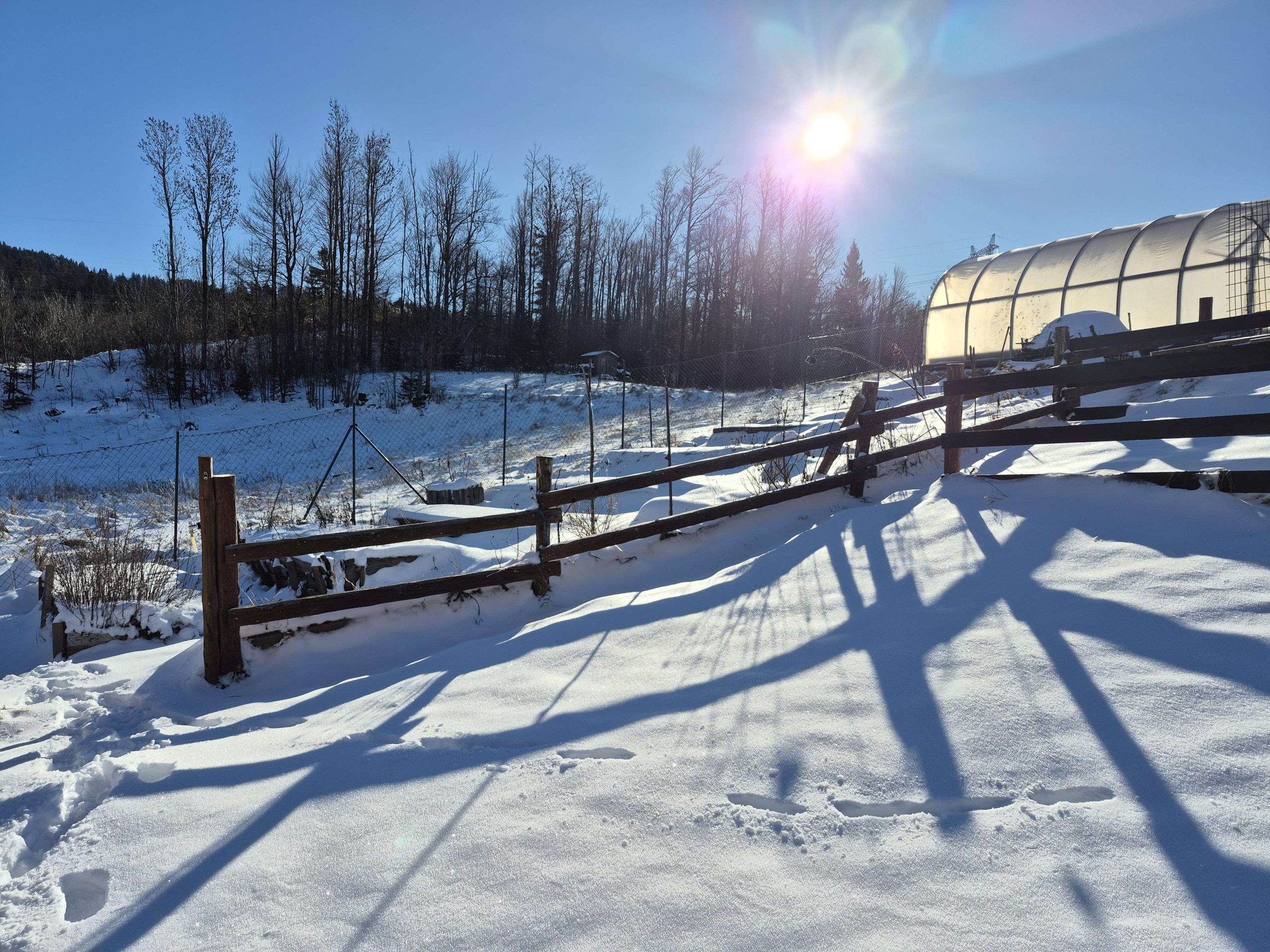
This winter has brought us a lot of snow. The ground is frozen, covered in a white blanket. But I know that all of us gardeners are already dreaming of warmer days, sowing seeds, and planting all kinds of vegetables and herbs.
Even though, unfortunately, most of us can’t really be out in the garden just yet (although I’m sure some of you in warmer regions with milder winters are able to enjoy yours), this is the perfect time to think about what we’d like to grow this year, which vegetables we enjoy, and perhaps even try planting something new.
It’s always a good idea to make a list, then check which seeds you already have from previous years and fill in what is missing. Ordering seeds online has become increasingly popular, but I would suggest not waiting too long, some websites are already listing certain products as sold out.
When creating your list, I recommend starting with the things you love and use most often. Then, if the space in your garden allows, you can add a few more plants.
We are all different. We have different possibilities, both in terms of space and climate, and our gardens reflect that.
Some will plant a more traditional vegetable garden: onions, potatoes, carrots.
Others will grow herbs on a balcony.
And some won’t grow vegetables at all, choosing instead to focus entirely on flowers.
Whatever you decide, now is the time to create your garden and planting plan. It will make things much easier and free up your time later, when your hands are full with sowing, pricking out seedlings, and planting our beautiful crops.
How to create a garden and planting plan
- Make a rough sketch of your garden (of course, if you prefer, you can measure everything and draw it to scale).
- Mark the south side of your garden so you know which area receives the most sunlight. Place sun-loving plants accordingly.
- When thinking about what to grow, consider whether your summers are long and warm enough, and which growing zone you are in. For example, I’m in Zone 7, and that greatly influences what I can grow and when.
- Make a list of the plants you’d like to grow (if you already did this while ordering seeds, you can skip this step).
- Once you have your list, check the requirements for any plants you’re not fully familiar with, how much sun, water, and warmth they need.
- Try to plan your planting so you don’t end up with empty spaces in the garden after harvesting certain crops (so-called succession planting).
- If you feel inspired, you can also think about companion planting, growing good neighbours together.
I suggest trying to apply at least some of these tips, because very few of us have the time (or possibility) to implement them all.
Each year, through planting and caring for our gardens, we learn something new. Something that later brings us a better harvest and even more enjoyment. So take it slowly, and everything will fall into place.
Above all, the most important thing is to enjoy the planting and your garden.
